Gjenoppretting
Livet på Casas Heddy
Påvirker klimaet du velger for ferien din helsen?

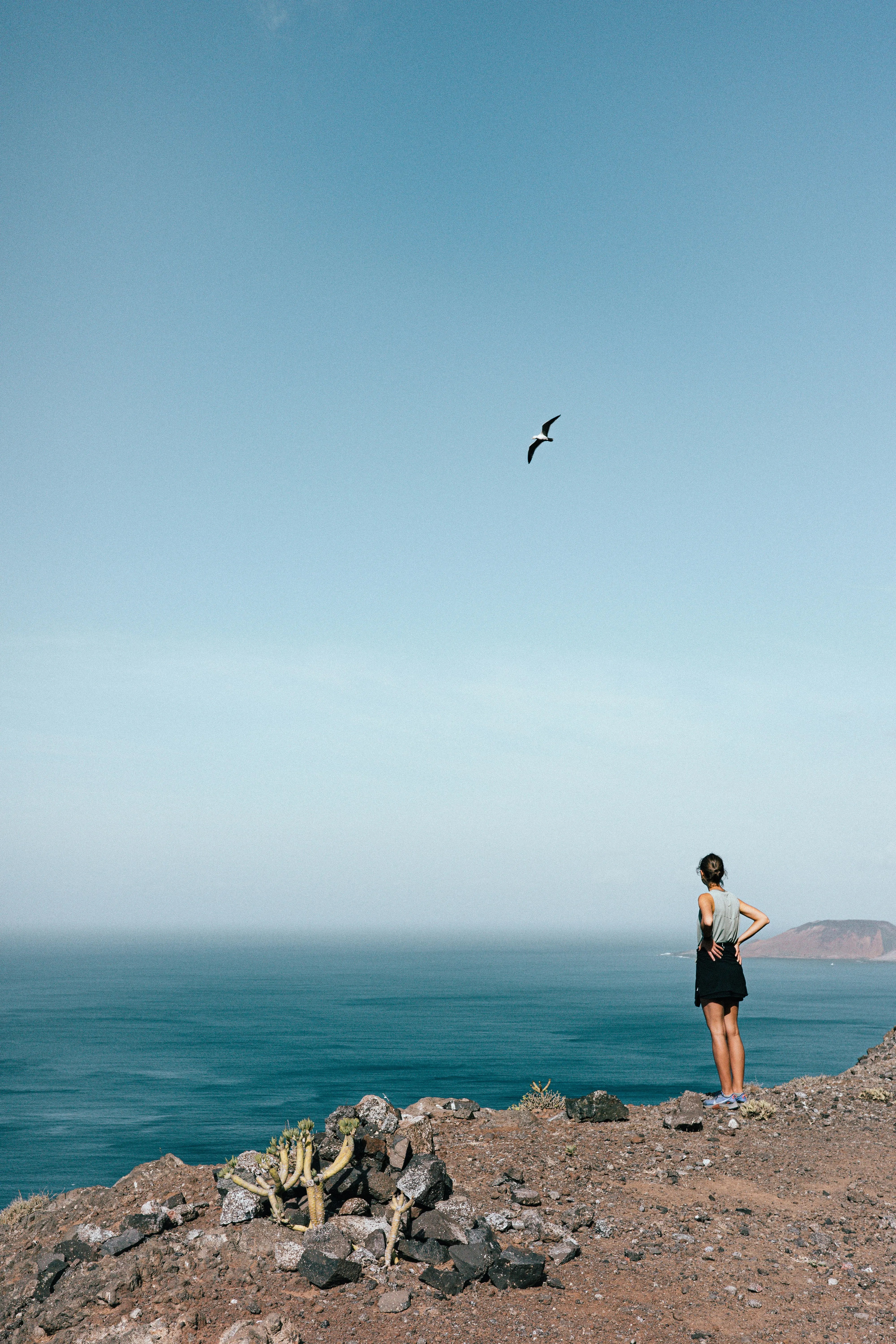
When you land in Lanzarote and step outside the airport, something is immediately different. It is not the warmth, but something that is harder to explain: the air feels clean and easy to breathe. The light is strong without being punishing. By the time you get to the resort, you notice that your shoulders have dropped.
SUMMARY
Climate affects how well you sleep, how your joints feel and how much of the day you can actually move.
Warm, stable climates with low humidity can support comfort, sleep quality and physical activity more effectively than extreme heat or damp conditions.
In many Mediterranean holiday destinations, heat peaks above 35°C outdoor disrupting activity and sleep
Lanzarote offers a stable temperature around 26–28°C year-round, with Atlantic air and low humidity. This climate is unusually well suited to health-focused stays.
Many people notice a physical difference within the first day or two.
This is not imagination. The climate on Lanzarote influences several physiological factors linked to comfort, sleep, movement and recovery, this explains why guests who have tried other destinations keep coming back here.
What does a warm climate do for joints and muscles?
If you live with stiff joints, back pain or muscle tension that is just part of life, you may have noticed that it is worse in cold weather. There is a straightforward reason for this: warmth increases blood flow to soft tissue. Warmth may improve joint comfort by supporting circulation and reducing muscle guarding around painful areas.
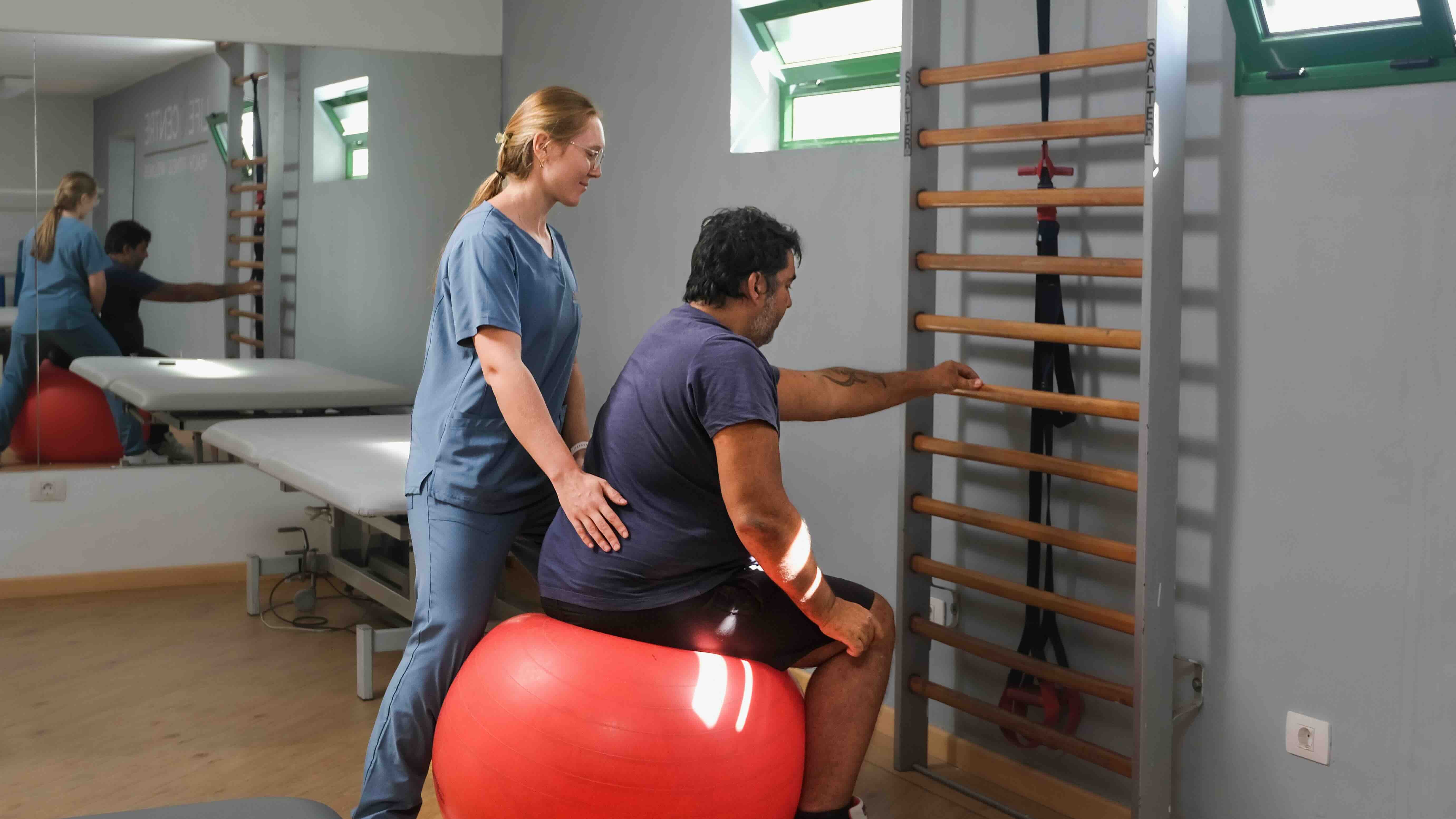
In a cold or damp climate, the nervous system often responds with increased muscular tension and protective stiffness. Many guests at Casas Heddy say the same thing: they arrive with a level of pain they consider normal, and within two to three days, that baseline has shifted. Not because of any specific treatment, but simply because the climate has stopped making things harder.
Why does summer heat in other destinations cause problems?
There is a difference between warmth that helps and heat that overwhelms. Popular summer destinations such as southern Spain, Sicily, and the Greek islands are genuinely beautiful, but peak temperatures of 35 to 40 degrees Celsius in July and August is demanding.
When it is that hot, outdoor activity becomes impractical by mid-morning. Sleep is often disrupted even with air conditioning. The holiday adjusts itself around the heat, with everything that requires actual movement pushed to the edges of the day. For someone who came to feel better physically, this is a real limitation.
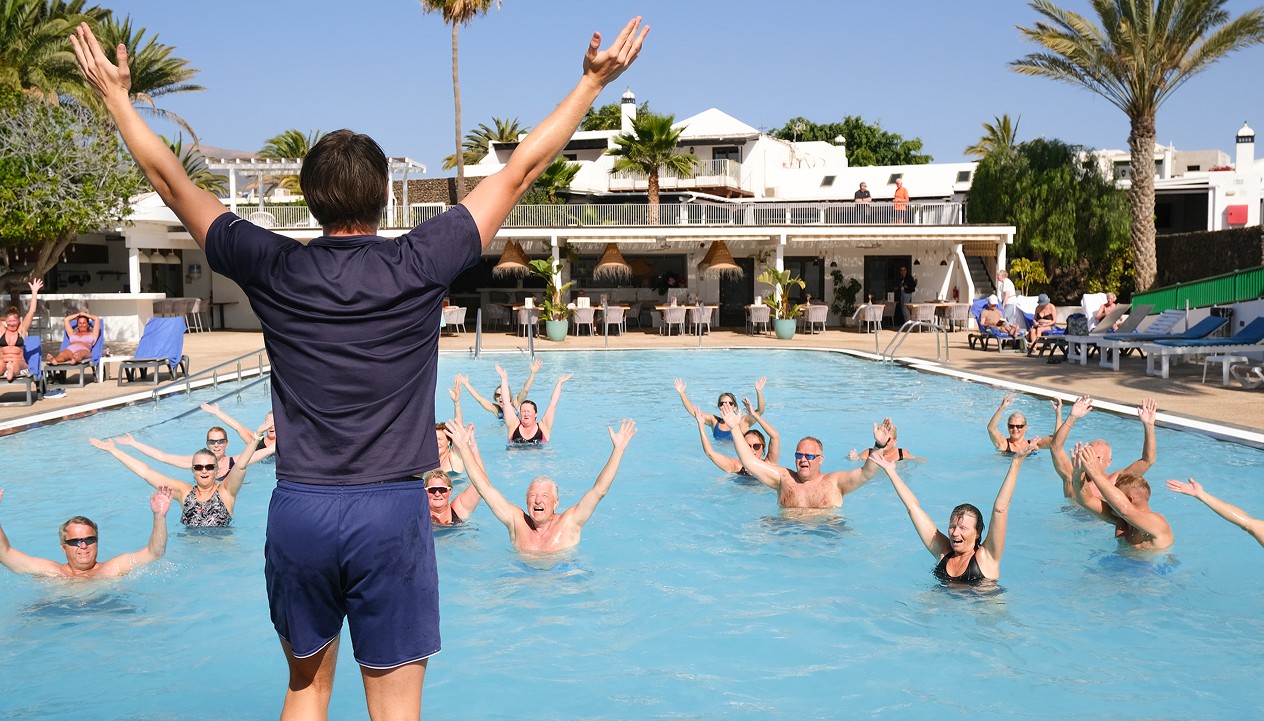
Lanzarote in midsummer sits at 26 to 28 degrees Celsius with a consistent Atlantic breeze and low humidity. You can walk comfortably at noon. Evening temperatures drop enough to sleep with the window open. The whole day is available to you, not just the margins of it.
Does climate affect how well you sleep on holiday?
Stable evening temperatures and lower humidity make this process easier, which can contribute to deeper and less disrupted sleep. In a bedroom that is too hot and humid, this process is disrupted. You might sleep for eight hours and still wake up feeling unrestored.
Evening temperatures in Lanzarote typically cool to around 18 to 20 degrees making it comfortable for deep sleep without air conditioning. Combined with the physical ease that comes from a day of gentle movement in good conditions, most guests are sleeping better within two or three nights than they have in months.
What does the air quality have to do with it?
For people who live in cities or spend most of their year in indoor environments, the quality of what they are breathing is noticeably different. People with mild respiratory conditions, sensitivities or simply chronic urban fatigue often describe a particular ease in breathing that they had forgotten was possible.
This is one of the reasons Lanzarote has attracted health-conscious visitors for over a century, and why the Norwegian health authorities have recognised the island's climate for its therapeutic value.
Does it matter that Lanzarote is good year-round?
Very much so. Most warm destinations have a window, spring or autumn, when the conditions are ideal. Outside that window, the heat is too much or the weather too unreliable. Lanzarote's climate changes relatively little across the year. January is cooler than August by about five degrees, and it rains occasionally. Otherwise, the conditions that make the island good for recovery are available every month.
This matters for guests who want to come in February when they need it most, or in October when the year has finally caught up with them, or whenever the timing is right for them personally, not only when the destination's climate cooperates.
Frequently asked questions about climate and health
Does climate really affect your health on holiday?
Yes, directly. Temperature affects joint mobility and muscle tension. Humidity affects sleep quality and how long you can be comfortably active. Air quality affects energy and breathing. For a health-focused stay, climate is one of the most important variables to get right.
Why do joints feel better in warm weather?
Warmth increases blood flow to soft tissue and loosens the joint fluid that keeps movement comfortable. It also allows the muscles around painful joints to relax rather than tighten protectively. Many guests at Casas Heddy notice a reduction in their baseline pain within the first two to three days simply from being in the right climate.
What makes Lanzarote's climate different from other warm European destinations?
Lanzarote's Atlantic position keeps summer temperatures at 26 to 28°C with low humidity making it comfortable for outdoor movement throughout the day. Most Mediterranean destinations exceed 35°C in July and August, which limits activity and disrupts sleep. Lanzarote also maintains this range year-round, which few European destinations can match.
Is Lanzarote good for people with respiratory conditions?
Many guests with asthma, chronic bronchitis or general respiratory sensitivity find Lanzarote's clean Atlantic air noticeably easier to breathe. The island has very low pollution and no heavy industry. The Norwegian health authorities have formally recognised the therapeutic value of the climate.
When is the best time of year to visit Lanzarote for health purposes?
Any time of year. Lanzarote's climate is stable enough that January and August are not dramatically different. Summer is warmer but rarely overwhelming. Winter is mild. The island is one of the few European destinations where a health-focused stay makes sense every month.