Recuperación
La vida en Casas Heddy
Recuperación después de una cirugía y tratamiento médico. ¿Qué deberías tener en cuenta?
Una estancia planificada en el lugar adecuado y en el momento adecuado puede marcar una gran diferencia en tu recuperación después de una cirugía. Esto es lo que debes tener en cuenta.
RESUMEN
Una estancia de recuperación en el momento adecuado puede apoyar la rehabilitación y mejorar cómo se siente durante todo el proceso de recuperación.
El momento depende del tipo de cirugía y del tratamiento por el que ha pasado; la mayoría de los médicos aconseja esperar de cuatro a ocho semanas antes de viajar.
El destino adecuado ofrece calidez, apoyo cualificado, movimiento estructurado y un entorno tranquilo.
Crear las condiciones adecuadas para la curación puede desempeñar un papel importante en el apoyo a la recuperación.
Confirme siempre sus planes de viaje con su propio cirujano antes de reservar.
—
Las semanas posteriores a una operación importante pueden ser un periodo difícil de afrontar. Ya no se encuentra gravemente enfermo, pero tampoco se ha recuperado por completo. El movimiento es limitado, el sueño suele verse interrumpido y la cuestión de qué nivel de movimiento y actividad es útil, frente a lo que aún puede necesitar limitarse, rara vez se responde con claridad.
Una estancia de recuperación planificada en un entorno cálido y de apoyo, con personal experimentado y un ritmo diario suave, puede cambiar significativamente este periodo. No acelerando la curación, sino dando a su cuerpo las condiciones que necesita para hacer el trabajo correctamente.
¿Cuándo es seguro viajar después de una cirugía y un tratamiento médico?
Esto depende de su procedimiento específico y de la evaluación de su médico. Como orientación general:
Cirugía menor: normalmente de dos a cuatro semanas, una vez que las heridas estén cicatrizando bien y la movilidad sea suficiente para viajar.
Artroplastia de cadera o rodilla: la mayoría de los médicos aconseja un mínimo de cuatro a seis semanas. El riesgo de coágulos sanguíneos durante los vuelos requiere una evaluación individual.
Cirugía cardíaca: por lo general de seis a ocho semanas, con la aprobación del cardiólogo sobre los niveles de actividad.
Cirugía de columna: varía según el procedimiento, desde cuatro semanas para una discectomía sencilla hasta bastante más tiempo en el caso de una fusión.
Procedimientos abdominales: de cuatro a seis semanas en la mayoría de los casos, sujeto a la cicatrización de la herida y la recuperación digestiva.
Estas son pautas, no consejos médicos personalizados. La única persona que puede aconsejarle con precisión sobre su situación es su propio médico. Lo que sí podemos decir es que, cuando el momento es el adecuado, la diferencia que marca un entorno de recuperación bien diseñado es significativa.
¿Qué ofrece realmente un buen destino de recuperación?
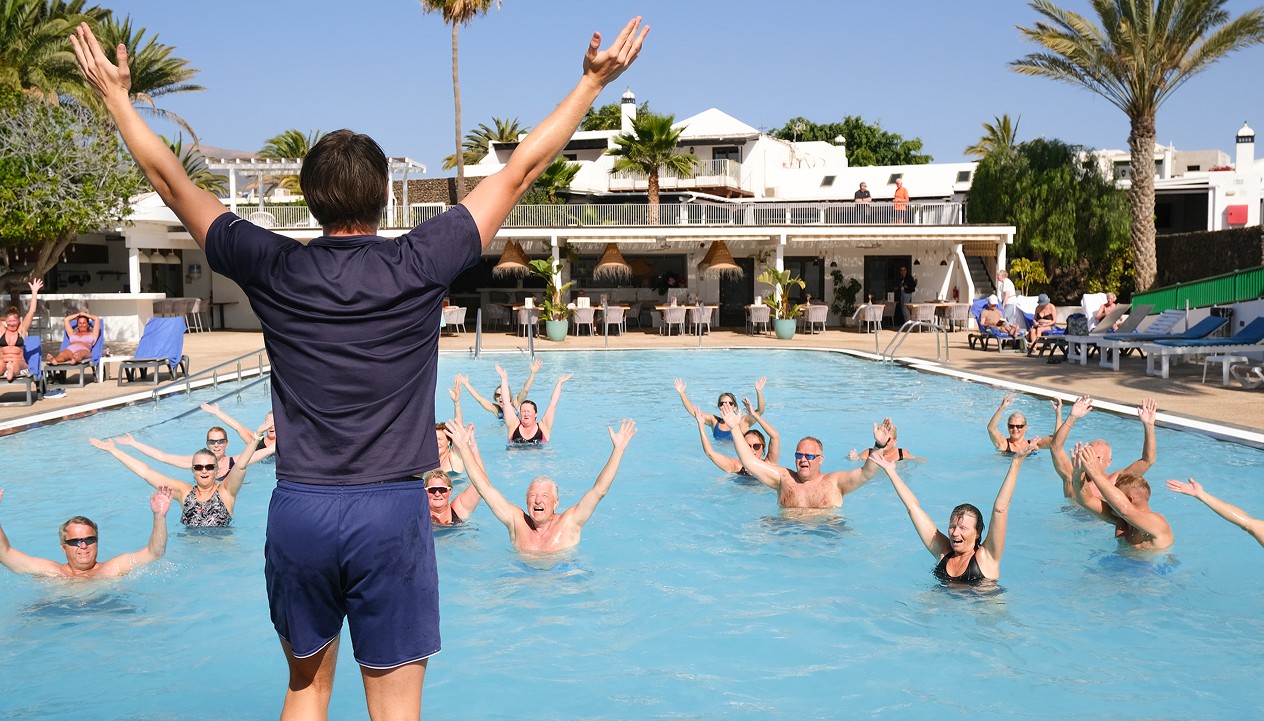
Una estancia de recuperación debe estar diseñada específicamente en torno a la rehabilitación, donde el clima, la estructura diaria, la comida y el apoyo experto trabajen todos hacia el mismo objetivo.
Estos son los aspectos que más importan:
Un clima cálido y estable que alivie los tejidos blandos y favorezca la curación
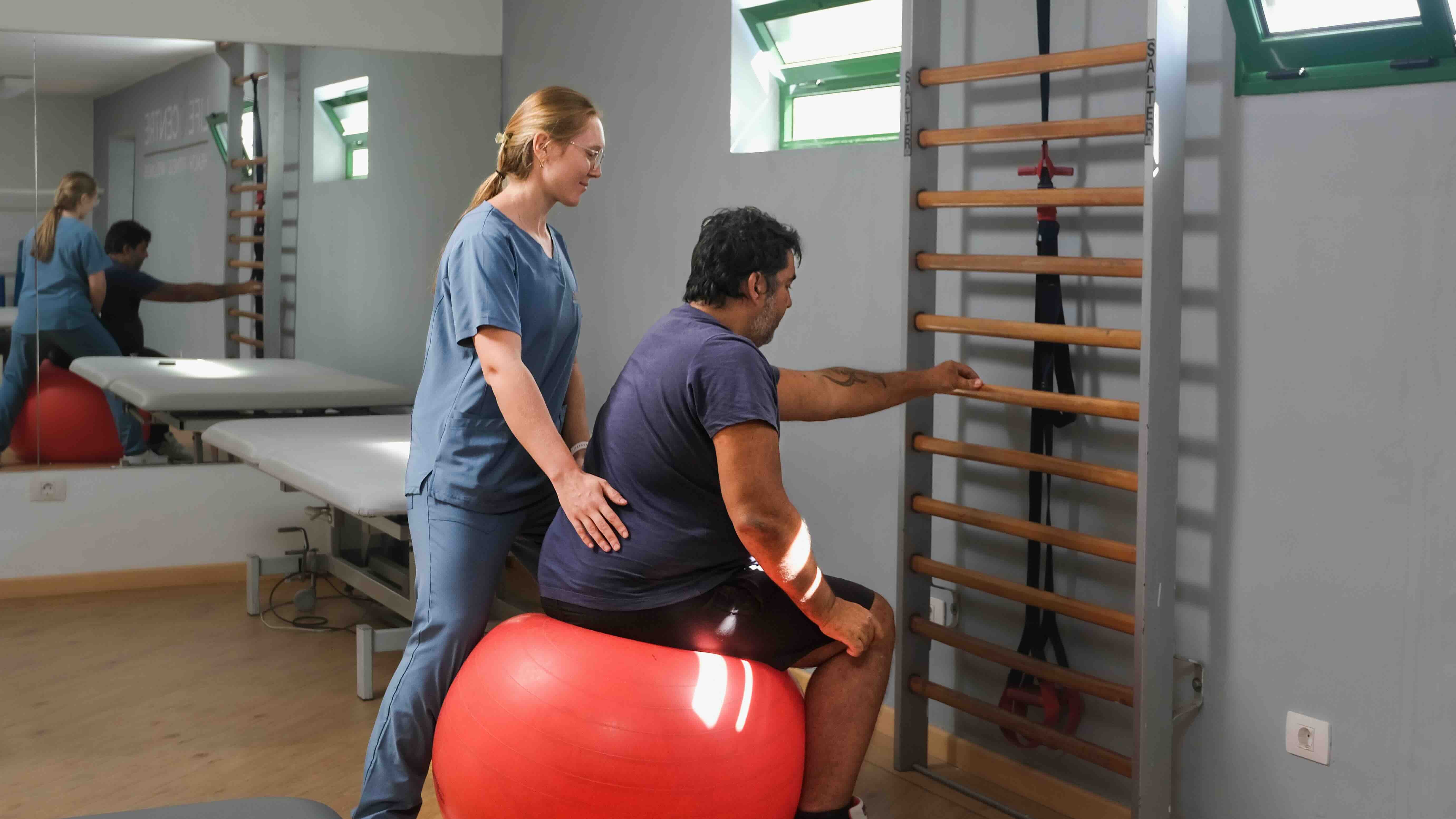
Equipo de fisioterapia con experiencia en su tipo específico de cirugía, adaptado individualmente a sus necesidades
Un programa diario adaptado a su fase de recuperación y a sus niveles de energía.
Buenas condiciones para dormir, con la temperatura adecuada y un entorno tranquilo
Alimentos que favorezcan la reparación de los tejidos y la energía sin crear trabajo adicional para su sistema digestivo
Estas condiciones pueden favorecer un proceso de rehabilitación más fluido y constante. A menudo, los huéspedes describen un cambio: pasar de gestionar su recuperación a vivirla como algo realmente productivo.
¿Qué hace el clima cálido por la recuperación quirúrgica?
Los climas cálidos pueden favorecer la recuperación al promover la circulación, reducir la rigidez articular percibida y crear condiciones que hagan que el movimiento resulte más cómodo durante la rehabilitación. Una mejor circulación ayuda a llevar oxígeno y nutrientes a los tejidos en curación. El sueño también desempeña un papel importante en la reparación de los tejidos, la regulación del sistema nervioso y la recuperación general.
Por qué la recuperación requiere más que solo descanso
La recuperación después de una cirugía no consiste solo en proteger el tejido en proceso de curación. También implica recuperar la confianza en el movimiento, la calidad del sueño, la circulación, los niveles de energía y la regulación del sistema nervioso. Muchas personas descubren que la recuperación avanza con más fluidez cuando la rehabilitación cuenta con movimiento estructurado, rutinas constantes y un entorno que reduce el estrés físico y mental.
Esto no es un conocimiento nuevo. Lanzarote ha sido reconocida como destino de rehabilitación por las autoridades sanitarias de Noruega durante décadas porque su clima y su entorno pueden favorecer la comodidad, el movimiento y la recuperación durante la rehabilitación.
¿Qué tipos de cirugía se benefician más?
Los procedimientos que más comúnmente se atienden en Casas Heddy incluyen:
Artroplastia de cadera y rodilla donde la calidez, el movimiento suave y la reducción del dolor son fundamentales para lograr una función completa
Los procedimientos de columna, el fortalecimiento del core, el trabajo postural y la fisioterapia adaptada individualmente ayudan a apoyar la recuperación y la confianza en el movimiento.
Cirugía cardíaca, donde la reducción del estrés, la rehabilitación cardiovascular gradual y la actividad supervisada son las prioridades
Cirugía de hombro, donde el movimiento guiado temprano previene la rigidez y favorece la amplitud completa de movimiento
Recuperación ortopédica general, como reparación de fracturas, procedimientos tendinosos, reconstrucción articular
Preguntas que deben responderse antes de reservar una estancia de recuperación
Las preguntas más importantes son prácticas:
¿Tiene el equipo experiencia con mi tipo específico de cirugía?
¿Cómo se adapta el programa si llego menos recuperado de lo esperado?
¿Hay apoyo médico disponible si se necesita durante la estancia?
¿Cuáles son los requisitos de movilidad para los traslados y el movimiento diario?
En Casas Heddy, una evaluación inicial a la llegada determina en qué punto se encuentra de su recuperación y adapta el programa en consecuencia. Tenemos experiencia en una amplia gama de contextos de recuperación quirúrgica, y el equipo entiende que cada huésped llega en un punto diferente de su proceso.